">
Using a water-moistened swap, cotton wool or sponge very gently wipe the area around the eyes to loosen and remove dirt
Dogs were given eyes and sight for a reason, they enjoy being able to see and benefit from that sense as well
Having the fur that obstruct their vision can lead to other problem than just difficult seeing
It can also lead to a behavior problems if the dog can't see what is around him, he can become fearful and skittish
Help him get the fur out of his eyes, he deserve to see the world around him
Eyes are very sensitive and their treatment can be very expensive
Avoid using harsh product that are not clinically proven trying to remove the tear stains
Tear staining often involves more complex solutions requiring veterinary introspection
Some dogs have a problem with the drainage of their eyes.
Tear stains can be traced to health and diet problem, as well as genetics
Tear stains cannot be stopped but they be minimized
This is the final phase and is the shedding phase
The timing and the ratio of the different cycles determines the shedding frequency
Double coated dogs generally drop their soft undercoat twice a year and lose their topcoat once a year
If they shed all at once, the fur will come out in tufts and is often called “blowing coat"
In most cases, the cycle of shedding is cued by changes in the amount of daylight
Some dogs shed continuously throughout out the year
Hair growth and shedding are regulated by fluctuations in the amount of melatonin, the "hormone of darkness”, secreted by the pineal gland in response to seasonal variations
Shedding is the normal process the dog has to undergo and there are many factors that influence shedding eg
Environment, nutrition, lifestyle, hormonal imbalances, age
Shedding cannot be stop but it can be minimize
Scheduling regular sessions can reduce the amount of shed (provided the suitable shedding has been used for the correct type of coat that need de-shedding)
Inquire with use for the proper de-shedding of your pet
Is an essential part of basic care for any pet, regardless of their age, size and breed?
Nails that are left alone can get overgrown causing discomfort and lead to abnormal formation of the foot or splaying of the toes
Overgrown nails can also get caught and torn off
How often should you trim your dog's nails?
~ it depends on the lifestyle of your pet and his/her environment
~ dog's that are less active often being carried around and are indoors may need regular nail trimming
Most dogs that are walked on rough surfaces, wear down their nails on their own. They will need nail trimming once in a while to cut the sharp points nor the dewclaws
When cutting dog’s nails avoid cutting too deep to avoid cutting the quick (blood vessel that carry oxygenated blood and nutrients to the nail)
Nails need to be cut only when necessary to avoid causing discomfort
We know when to cut them and how short
Short nails can also look longer, and vice versa
The longer you hesitate to cut your dog’s nails, the longer the quick become and it will become impossible to cut them short
In most cases the longer the nail the longer the quick, as nails grow so is the quick, how short the nail should ne cut it is only determined by how close the quick is
Regular nail trimming can help keep our dog's nail short
Poor dental hygiene can lead to bad breath, gum disease, tartar and eventually periodontal disease and or form abscess
Bacteria’s associated with gum disease can travel via blood stream to cause harm to the kidney, heard and the liver
Regular brushing can help prevent, remove the plaque and slow the development of tartar.
Tooth brushing can also potentially decrease the frequency that your pet will need a dental cleaning, a procedure that requires full anesthesia
Teeth brushing doesn't remove the tartar, it require teeth scaling consult your vet for more info
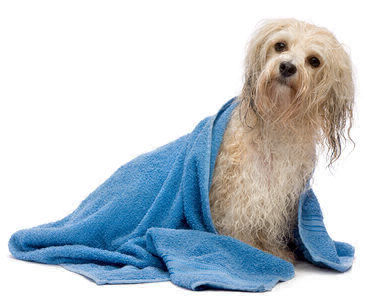
When it comes to pet grooming, one of the most daunting task can be drying
Most breeds of dogs don't anticipate blow-drying very well
Bear in mind every dog is unique in its own way and that the method that works for one may not work for the other
Depending on the pet behavior, environment and the breed, you may have to use a variety of tools to get the job done
Most pets have behaviors issues when coming to be blow-dried in this cases an experienced certified groomer who is familiar with behavior modification can be very useful in order to make drying process a very pleasant experience
When drying brachycephalic breeds extra care is needed
Brushing helps to remove loose hair (shed fur) and the excess undercoat
Regular brushing despite the type of coat can decrease the amount of fur the pet sheds,
Which is an added benefit for your clothes and your home
Website was made with Mobirise